Oil Edges Higher as Houthi Threat Alters Saudi Export Routes
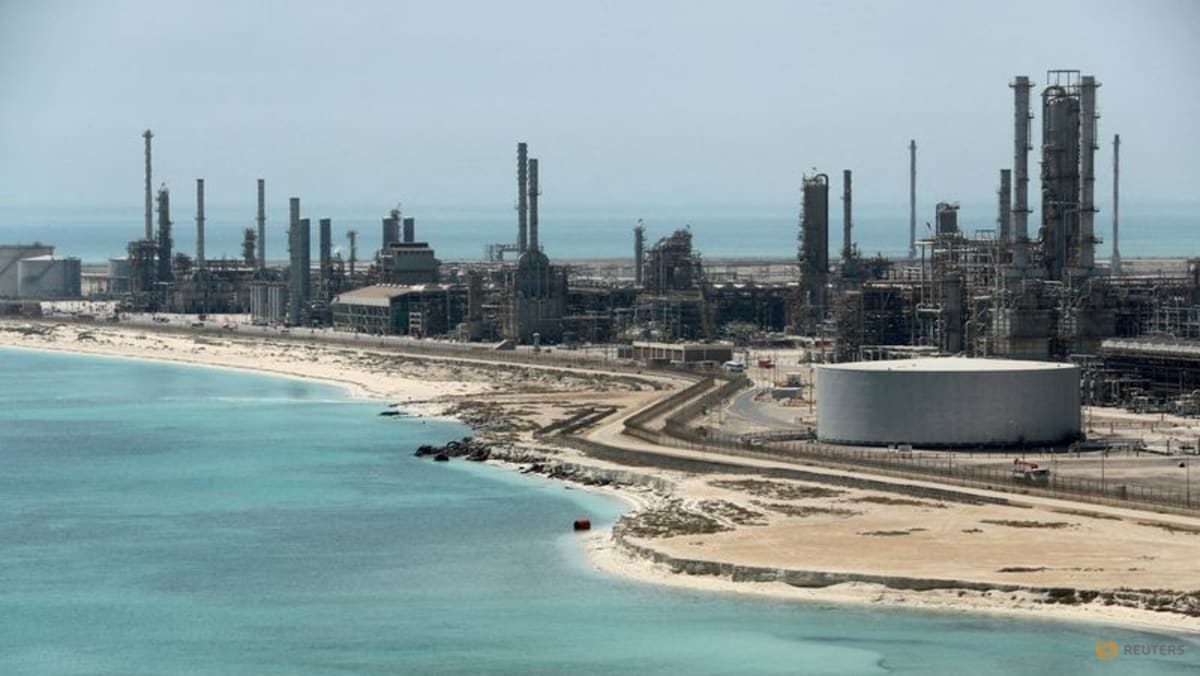
Brent crude pushed past $91 as an 11th night of US strikes on Iran combined with Houthi blockade threats to force a dangerous rerouting of Saudi oil exports away from the Strait of Hormuz.
Brent crude added 50 cents, or 0.55 per cent, to trade at $91.51 on Wednesday, while US West Texas Intermediate gained 30 cents, or 0.36 per cent, to reach $84.64. The modest early gains came in low-volume trading following an 11th consecutive night of US military strikes on Iranian targets. This followed a session on Tuesday where oil settled at a five-week high after the US struck southern and western Iran and Iran attacked US facilities in Bahrain, Kuwait, and Jordan.
While the immediate pricing impact remains measured, the underlying logistics of global energy supply are undergoing a significant structural shift. Traffic through the Strait of Hormuz has fallen sharply since a US-Iran ceasefire collapsed earlier this month. As a result, the Bab el-Mandeb Strait at the southern entrance to the Red Sea has become an increasingly critical artery for Saudi crude exports.
This alternative routing is now facing direct jeopardy. Yemen’s Iran-aligned Houthis have opened a new front in the broader conflict by announcing a naval blockade of Saudi Arabia. The group has specifically threatened to target vessels carrying Saudi oil through the Bab el-Mandeb waterway, creating a dual threat to Middle Eastern energy exports.
The military escalation continues to extract a heavy fiscal toll. US Defense Secretary Pete Hegseth disclosed that the American war in Iran has cost $37.5 billion so far. This figure represents an increase of nearly $8 billion since the last public estimate, adding a layer of deficit spending concerns to the market's macroeconomic calculus.
On the supply side, domestic inventory data provided a slight counterweight to the geopolitical risk premium. The American Petroleum Institute reported that US crude and distillate