Freedom Fuel Abandons Discounted Pricing as Analysts Question Below-Cost Economics
The politically promoted Freedom Fuel network has ended its below-market pricing strategy, underscoring the financial unsustainability of retail fuel margins in a rising cost environment.
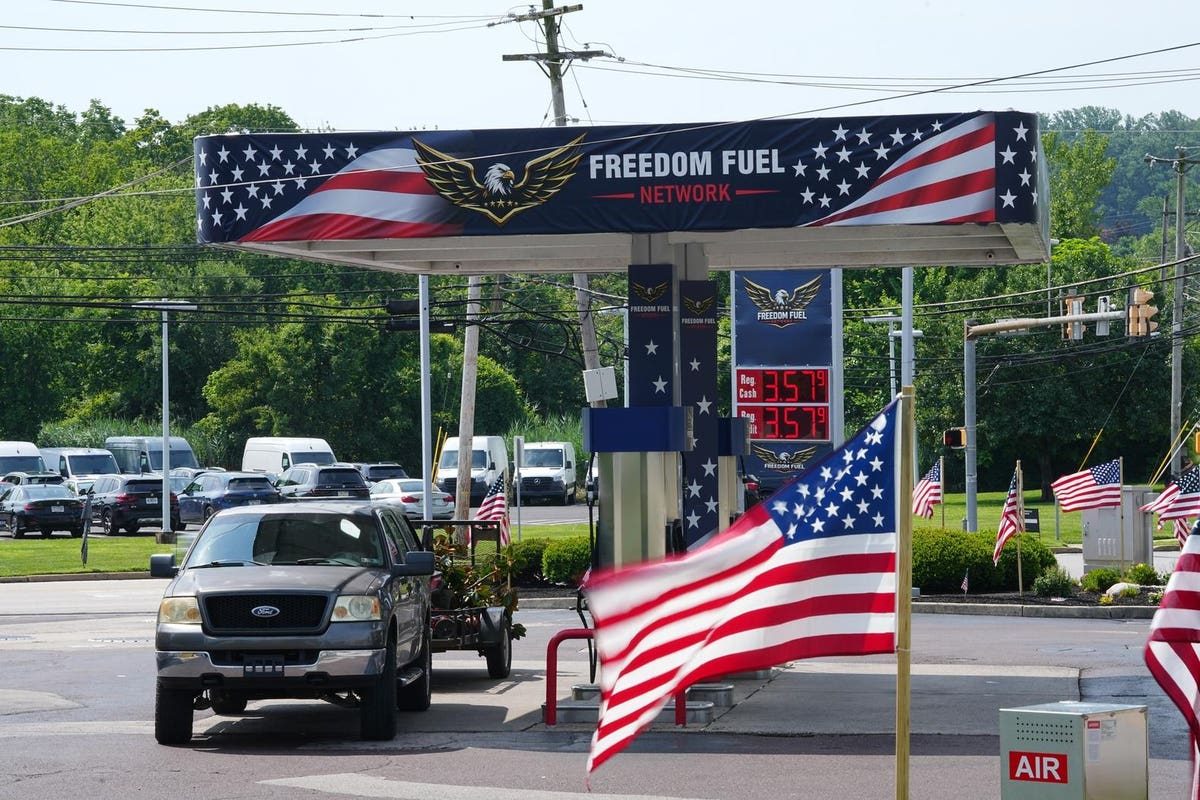
The Freedom Fuel Network has ended its promotional pricing strategy, abandoning the sharply discounted rate of $3.47 per gallon that was introduced as a political nod to President Donald Trump. As of Monday, several locations across Pennsylvania and New Jersey were charging approximately $3.92 per gallon, aligning closely with regional competitors.
This pricing shift occurs as regional fuel costs climb, with the average gallon in Philadelphia reaching $4.19 on Tuesday, up from $3.95 the previous week. That figure matches the statewide average and represents the most expensive fuel on the East Coast, according to AAA data. The reversal highlights the immediate financial pressure on retailers attempting to maintain below-market margins without structural cost advantages.
A White House spokesperson confirmed that the private company received no government subsidies and did not secure fuel at a reduced wholesale rate. The administration noted that the company's pricing strategy would continue only for as long as the business chooses to absorb the costs. This clarification dispels earlier market speculation that the initial discount was underwritten by public funds.
Industry experts had previously warned that the initial price point was economically unviable without external financial support. Patrick De Haan, head of petroleum analysis at GasBuddy, noted the fundamental reality of the retail fuel market. "Generally, when losses happen, somebody’s got to pay for it," he stated, pointing to the inherent risks of prolonged below-cost sales.
The corporate structure behind the network has drawn attention from investors and analysts alike. The company was established on June 23 by Randy Brown, a senior special teams coach for the Baltimore Ravens, and Yoni Gontownik, a former commodities trader. Fourteen of the 25 stations are controlled by entities linked to Shamikh and Syed Kazmi, with eight locations leased from the investment firm Blue Owl Capital.
The involvement of the Kazmi brothers introduces notable corporate governance considerations for stakeholders. Both individuals have faced allegations of unethical business practices in recent years. In 2021, a federal judge in New Jersey ordered the pair to pay more than $600,000 to a fuel supplier over claims that they had stolen gas.
President Trump originally announced the Freedom Fuel Network on Truth Social earlier this month, praising the stations for taking the lead on lower prices. This promotion coincided with rising energy costs driven by the unraveling of a peace deal between the United States and Iran. The subsequent abandonment of the discount illustrates the rapid collision between political pricing initiatives and physical market realities.