Spiro targets 2040 net zero as African e-mobility eyes ESG capital
Spiro has committed to a 2040 net-zero target and published Africa's first comprehensive electric vehicle ESG baseline, a move designed to meet tightening sustainability requirements from global investors.
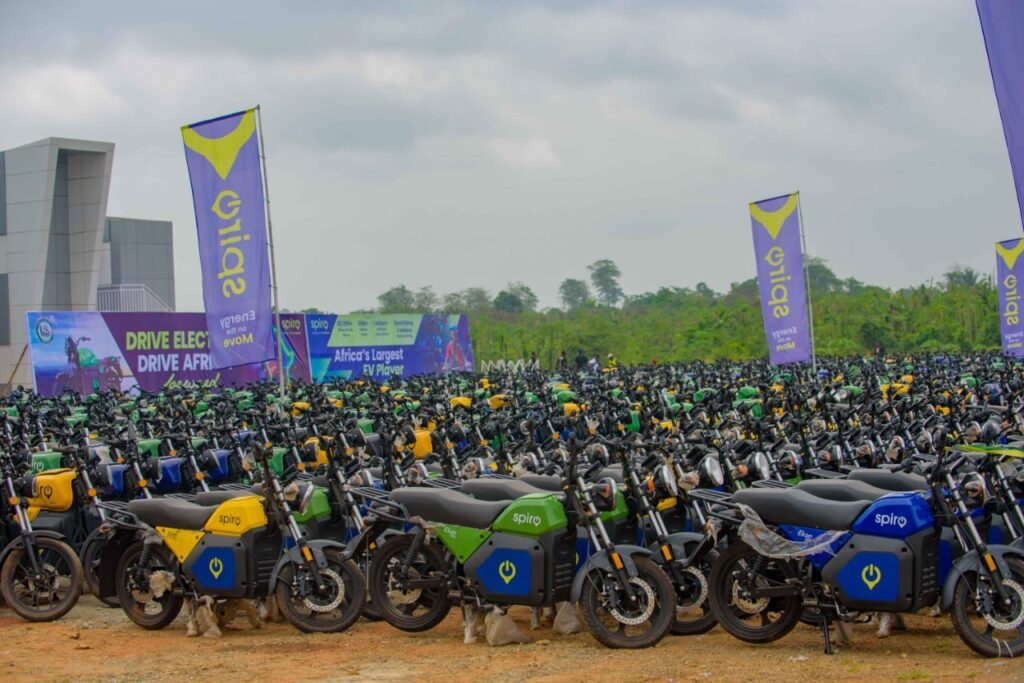
Spiro has committed to reaching net-zero Scope 1 and Scope 2 emissions by 2040, releasing its first Sustainability Report on Tuesday. The African electric mobility company, which operates over 100,000 motorcycles across six countries, is the first on the continent to publish a comprehensive environmental, social and governance baseline.
The publication marks a critical shift in how African e-mobility firms must position themselves to secure capital. Development finance institutions, climate funds and commercial investors are increasingly tying funding to measurable ESG performance, moving away from rewarding pure fleet expansion.
To meet these investor expectations, Spiro completed an end-to-end greenhouse gas inventory covering Scopes 1, 2 and 3. It reported a 2025 baseline of approximately 243 tonnes of Scope 1 emissions and 16,652 tonnes of Scope 2 emissions. The company has also registered with the Science Based Targets initiative and aligned its reporting with Global Reporting Initiative standards.
Spiro projects its ecosystem could avoid 700,000 tonnes of carbon dioxide emissions annually by 2030 as commercial riders replace petrol motorcycles. To drive down its own footprint, the company is evaluating 80-125 KVA solar installations at battery-swapping stations. Smart energy management at its assembly plants has already cut energy use by 15 to 25 percent.
Beyond the environmental metrics, the report underscores the economic case for electric mobility in Africa. Commercial riders using Spiro's motorcycles reduce operating costs by 70 to 80 percent compared to petrol equivalents, shielding them from fuel price volatility.
The company is also expanding its industrial footprint to satisfy broader ESG criteria. Through the Spiro Academy, it trained more than 4,000 people in 2025. It also launched Africa’s first women-led electric motorcycle assembly line to increase female participation in advanced manufacturing.
“This report reflects how far SPIRO has come—not only in terms of growth, but in our ability to measure and improve our impact. As we expand across Africa, sustainability will remain a core business driver, shaping how we invest, manufacture, innovate and partner for the long term,” said Anant Badjatya, group chief executive officer of Spiro. By establishing this reporting framework early, the company is attempting to dictate the disclosure standards for an industry that is rapidly maturing beyond its venture capital beginnings.