Apple plans Klarna leasing; Google launches efficient Gemini AI models
Apple and Google are pivoting toward cost-efficient hardware subscriptions and specialized AI models, moves designed to sustain revenue growth and user retention ahead of a critical tech earnings season.
Alphabet announced a trio of specialized Gemini AI models on Tuesday, while Apple revealed plans for a Klarna-backed device leasing program called Apple Upgrade. The simultaneous moves highlight a broader shift among technology giants toward operational efficiency and ecosystem lock-in. Both strategies arrive just as markets look to upcoming earnings to confirm the durability of the AI investment cycle.
Google’s new offerings—Gemini 3.5 Flash-Lite, Gemini 3.5 Flash Cyber, and Gemini 3.6 Flash—target specific use cases rather than relying on a single generalist model. This approach caters to companies transitioning away from "tokenmaxxing," a practice that resulted in unexpectedly large AI compute bills. By matching specialized tools to specific tasks, such as cybersecurity or high-volume basic queries, developers can significantly reduce token consumption.
The release helps counter investor anxiety following delays to Gemini 3.5 Pro, which was originally scheduled for June. "Gemini 3.5 Pro is currently testing with partners and we plan to make it broadly available as soon as it's ready," Google said. "In parallel, our team is already focusing on building the next generation of models. We have started our most ambitious pre-training run yet, for Gemini 4, and are excited by the progress."
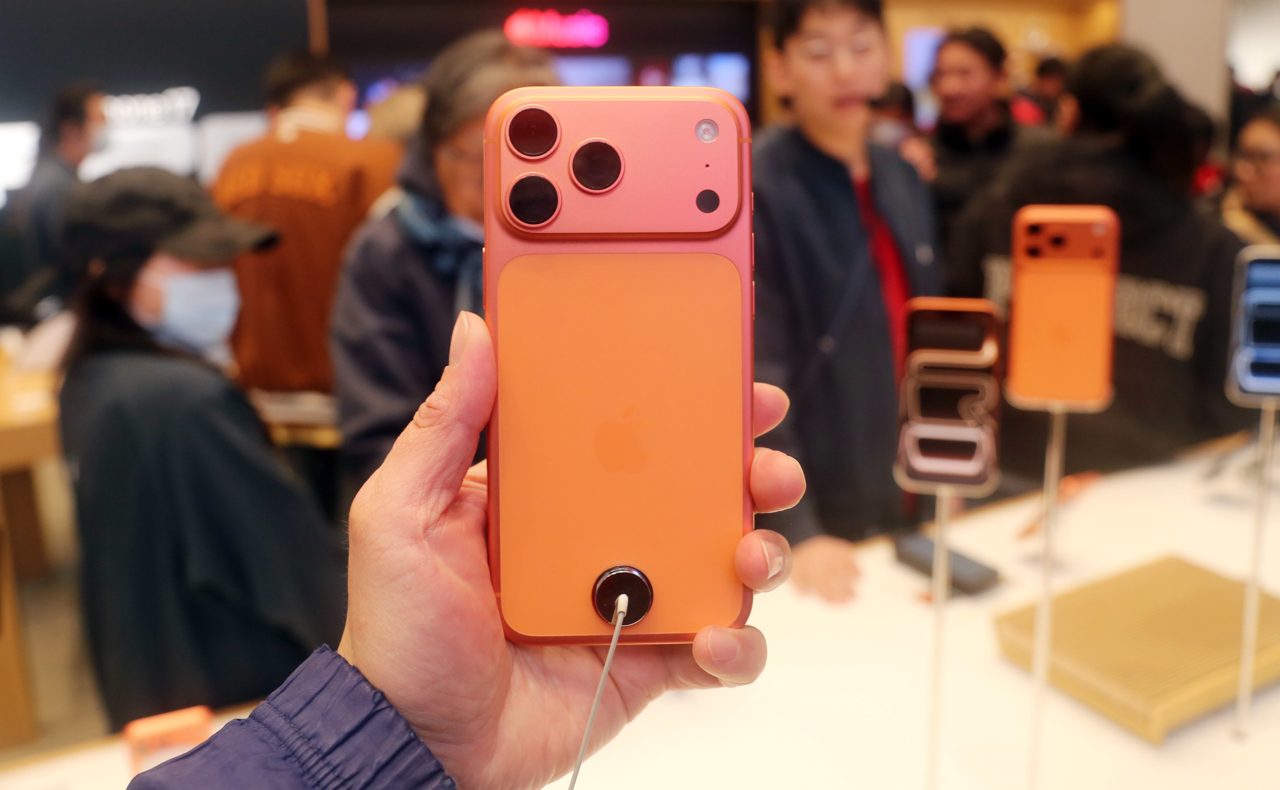
Separately, Apple is targeting hardware sales growth through a subscription model launching July 28 in the US. Partnering with Klarna, the Apple Upgrade program will cover most iPhones, Macs, iPads, and Apple Watches. Users can pay monthly, upgrade early, or keep the device at the end of the term.
This leasing structure addresses a critical pricing hurdle. Apple has raised device prices due to soaring memory costs, risking sticker shock for consumers who have held onto older iPhones for four or five years. Spreading out payments could accelerate upgrades to newer hardware necessary to run Apple Intelligence, a suite receiving a major update this fall, thereby opening fresh app monetization opportunities and deepening ecosystem loyalty.
The tech focus comes as the S&P 500 rebounded to snap a three-session losing streak, with AI-related stocks trading sharply higher. Alphabet’s earnings report on Wednesday serves as the first major test of the sector. If Alphabet, alongside Amazon, Microsoft, and Meta Platforms, signals rising capital expenditure outlooks extending into 2027, investor confidence in the AI buildout will likely solidify.