Chile Keeps Frigate Work Domestic as It Eyes 2030 Fleet Replacement
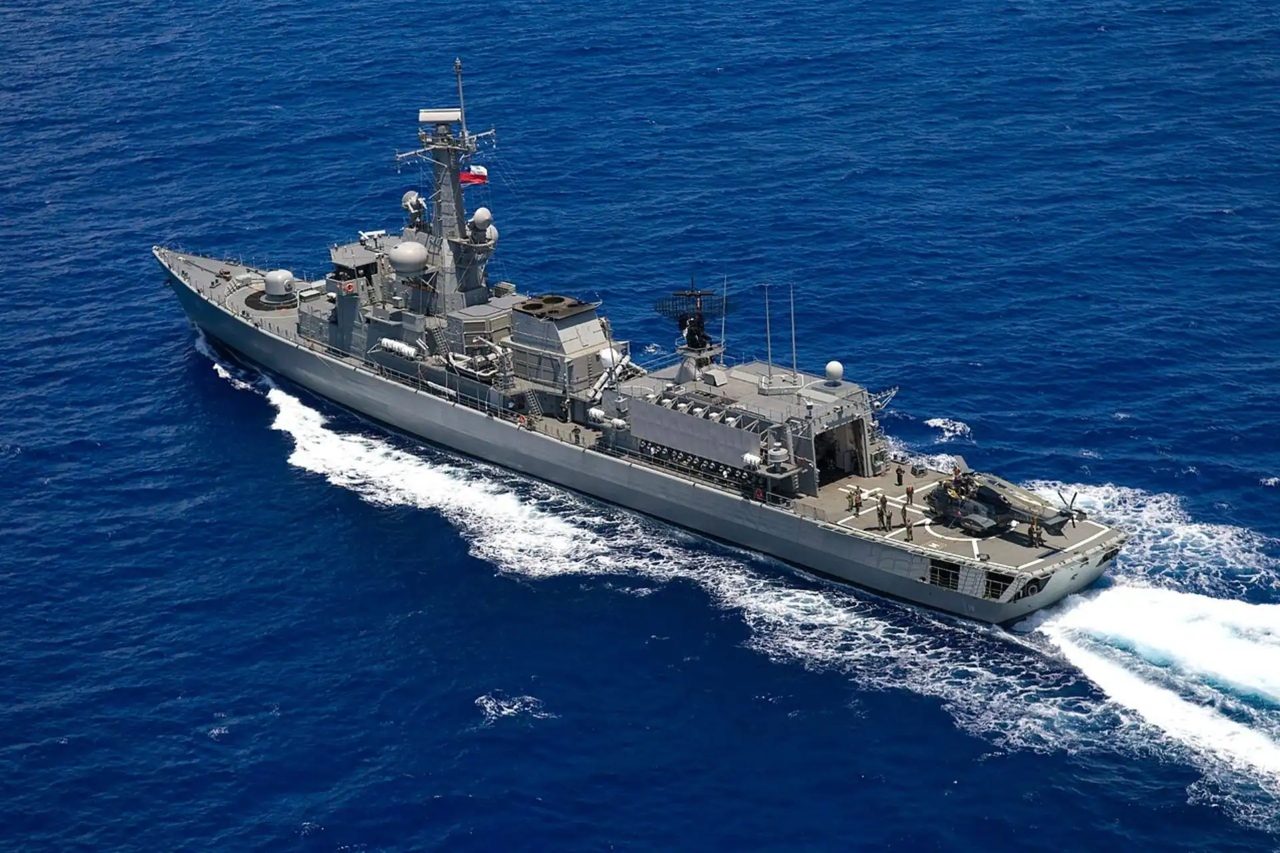
Chile is extending the life of its aging frigates at its state-owned Asmar shipyard, a move that preserves domestic industrial capacity and sets the stage for a major international shipbuilding competition later this decade.
The Chilean Navy has begun a mid-life upgrade of the frigate Almirante Riveros at the state-owned Asmar shipyard in Talcahuano. Rather than purchasing new vessels, the military is overhauling the 3,373-ton ship and its sister vessel, the Almirante Blanco Encalada, to keep them operationally relevant into the 2030s. The modernization removes legacy technology and replaces the ship's core combat, communications, and machinery management systems.
Asmar is integrating equipment from three foreign defense contractors. The Netherlands' RH Marine is supplying its Rhodium platform management system to handle shipboard machinery and power. Turkey's Havelsan is providing its Advent combat management system to unify weapons and sensors, while Portugal's EID will deliver the Oceanex communications backbone for secure data transmission. Contracts for the work were signed sequentially between September 2024 and March 2025, with full combat system integration expected to take four years.
Keeping the engineering work at Asmar ensures defense capital remains within Chile's economy. The shipyard is the country's only facility capable of complex naval overhauls, sustaining high-skilled employment and a local supply chain of engineers and welders. Asmar is simultaneously managing upgrades to the Navy's Scorpène-class submarines and building two new multipurpose ships under the $409 million Escotillón IV project.
Maintaining a credible naval presence is a direct economic imperative for Chile. The country depends on secure sea lanes along its vast coastline to transport copper exports, lithium shipments, and imported goods. Prolonging the operational lifespan of these second-hand frigates achieves this security at a fraction of the cost of new construction, preserving state funds.
The M-class upgrade is one component of a broader Navy recapitalization that includes modernizing three former British Type 23 frigates with new radars and missiles. However, the long-term focus for the defense market is the military's plan to replace eight aging frigates with newly built vessels. That generational shipbuilding program is not expected to begin until around 2030, but it will likely attract significant interest from global shipbuilders looking to partner with Chilean industry.