Oil Surges as Gulf Conflict Chokes Strait of Hormuz Traffic
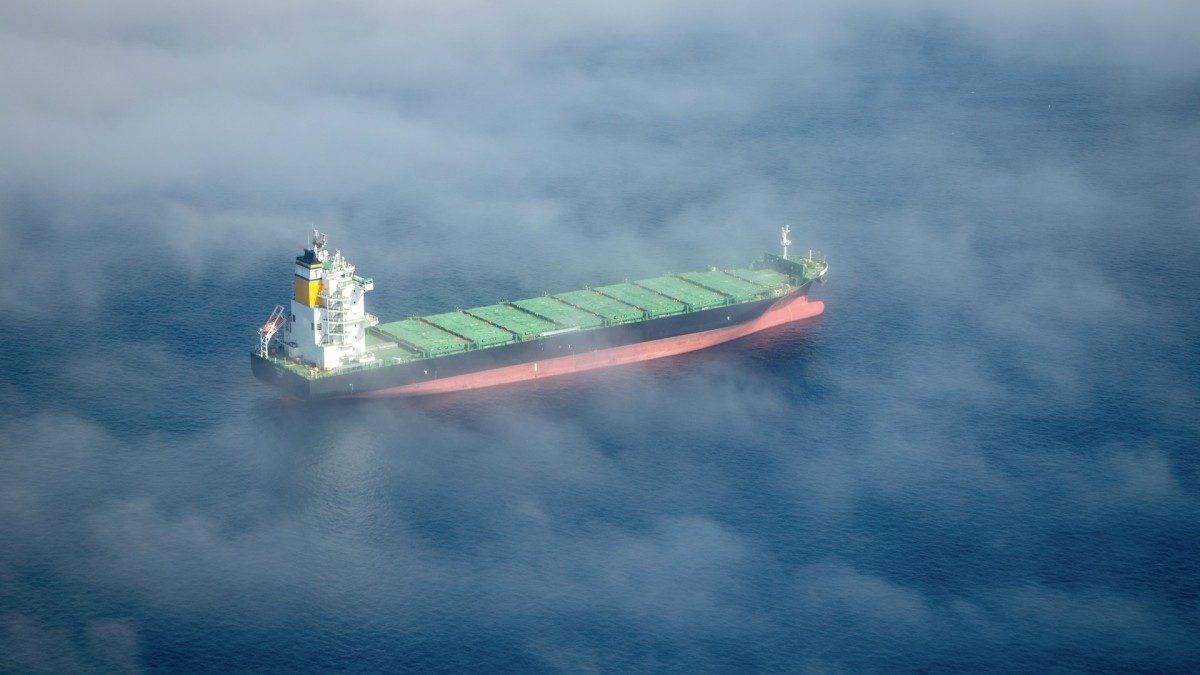
Global oil supply chains are seizing up as a ten-day military escalation between the US and Iran brings Strait of Hormuz traffic to a standstill and forces Saudi crude vessels to reverse course, pushing Brent prices past $90 a barrel.
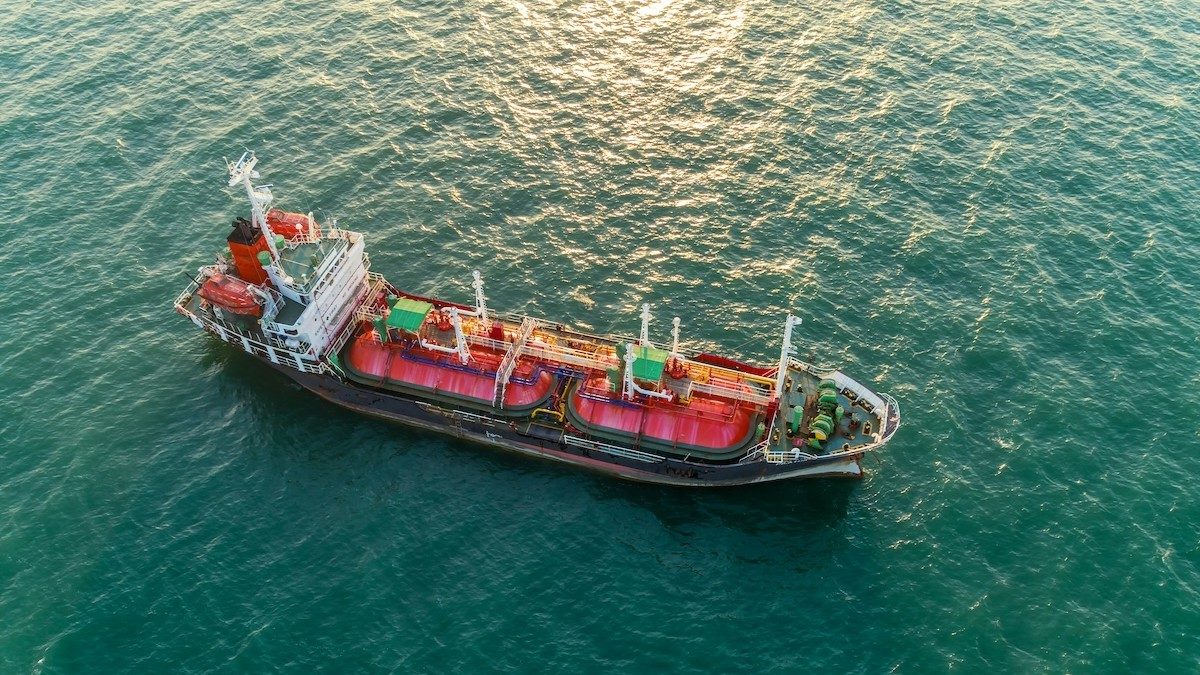
Traffic through the Strait of Hormuz has ground to a near halt as a ten-day military escalation between the United States and Iran severely disrupts global energy flows. Just six vessels transited the critical waterway on Tuesday morning. Simultaneously, two Saudi oil tankers destined for China and India abandoned their voyages in the Red Sea, turning back toward the Suez Canal after the Houthi militia warned it would target ships loading or discharging cargo at Saudi ports.
The physical chokepoints are now under direct assault. Iran's Revolutionary Guard claimed it attacked two tankers taking an "unsafe route" in the Strait of Hormuz, causing massive fires. The supertanker Acheloos and a smaller fuel tanker were also struck in the waterway, according to their manager. In the southern Red Sea, a newly declared Houthi blockade is compounding the logistical crisis by pinching maritime trade from a second vital artery.
The rapid contraction in supply is translating directly into higher commodity prices. Brent crude futures have surged above $90 a barrel, while West Texas Intermediate reached six-week highs. Goldman Sachs analyst Daan Struyven warned clients that oil could rally to $120 if the fighting continues. "Escalation in the Middle East and the decline in estimated Persian Gulf flows to below 45% of pre-war levels have pushed oil prices back up," Struyven noted.
The broader economic toll is expanding beyond commercial shipping to critical regional infrastructure. Iranian cruise missiles reportedly targeted Amazon's central data hub in Bahrain, alongside US air defense systems. For a second consecutive day, Kuwait's power generation and water desalination plants sustained fire damage from drone and missile attacks, highlighting the severe physical risks facing corporate and civilian assets in the region.
Diplomatic efforts have so far failed to establish a ceasefire. Pakistan and Qatar are urging both sides to return to their pre-escalation positions, and mediators have proposed a 10-day truce. However, Amin Saikal, an emeritus professor at Australian National University, noted that neither Washington nor Tehran appears ready to concede. "Both sides have really been trying to inflict heavy damage on each other, and they’ve come really to a point of saturation in many ways," Saikal said. "Because of this unprovoked war, the Iranians have gained this leverage, and they want to retain it at all costs."