GM adds gas Cadillacs, reverses all-EV target after $10.9bn charges
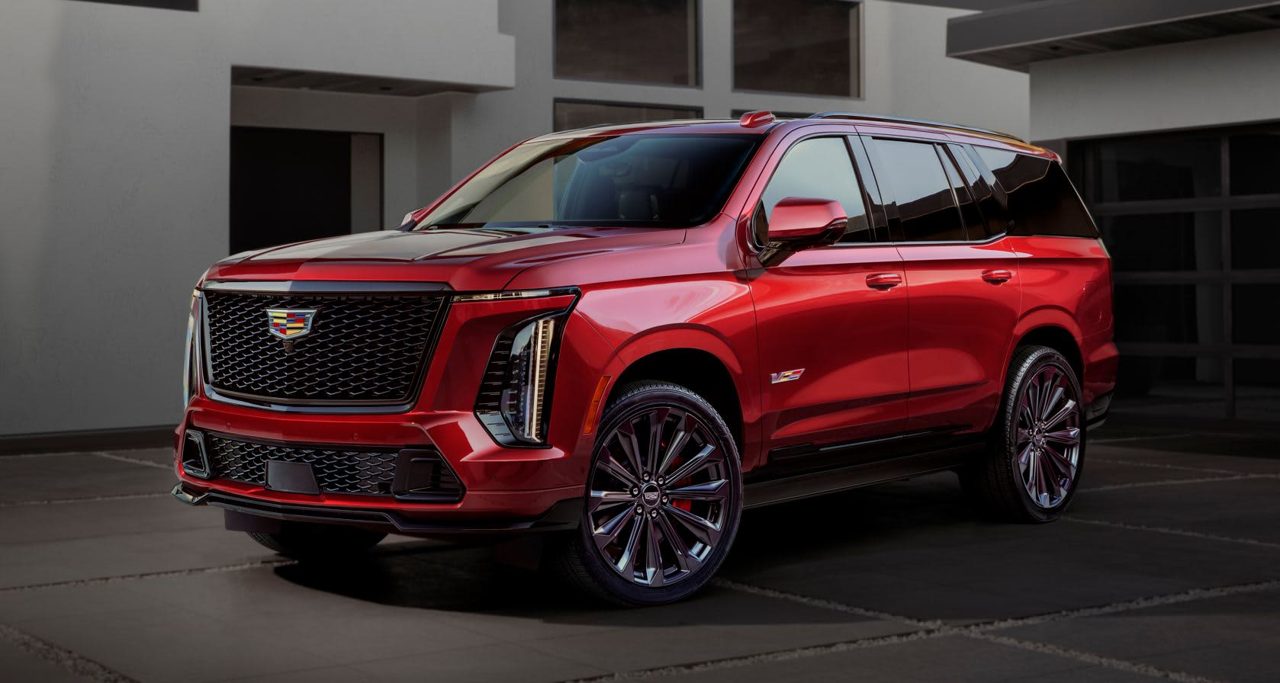
General Motors is reversing its plan to make Cadillac fully electric by the end of the decade, opting instead to launch new combustion models to protect margins after absorbing $10.9 billion in EV-related charges.
General Motors will introduce new internal combustion engine models for its Cadillac brand starting next spring, formally abandoning a prior commitment to transition the luxury division entirely to electric vehicles by the end of the decade. CEO Mary Barra confirmed the strategic reversal during the company's second-quarter earnings call on Tuesday.
The upcoming combustion lineup features next-generation versions of the CT5 sedan, the XT5 midsize SUV, and the XT6 three-row SUV. "Starting next spring and continuing into 2028, we will begin launching the next generation of Cadillac ICE [internal combustion engine] vehicles," Barra said.
She emphasized that these gas-powered vehicles will supplement, rather than replace, Cadillac's existing all-electric crossovers and the electric Escalade SUV. However, the move definitively ends Cadillac's timeline as a pure-play electric brand by 2030.
For market participants, the pivot underscores the disconnect between legacy automakers' earlier EV commitments and current consumer demand. Slower-than-anticipated electric vehicle adoption has left companies like GM with substantial underutilized EV manufacturing capacity and unabsorbed development costs.
This mismatch has carried a steep financial toll. Since the second half of last year, GM has recorded $10.9 billion in EV-related charges. The company has also had to navigate a U.S. regulatory environment that has simultaneously eased emissions standards and eliminated federal support for electric vehicles.
In response, GM is actively increasing production of gas-powered engines, including its profitable V-8 offerings. Redirecting capital away from unprofitable EV development and back toward proven internal combustion technology is a clear signal to investors that management is prioritizing near-term cash flow and margin protection over long-term electrification targets.
This capital reallocation extends to the factory floor. Barra reiterated that GM's revised plans include "onshoring significant manufacturing" for the Detroit automaker beginning next year.
A central piece of this strategy involves retooling a Michigan plant that was previously slated to produce electric vehicles. Instead, the facility will be expanded to build GM's full-size SUVs: the Cadillac Escalade, Chevrolet Tahoe and Suburban, and GMC Yukon and Yukon XL.
These vehicles are currently built exclusively at GM's Arlington Assembly plant in Texas. Moving some of this production to Michigan provides a critical hedge against supply chain disruptions or localized operational halts, securing the output of the company's most lucrative products.