US cites Brazil's Pix in 25% tariff push to shield card firms
The Trump administration has named Brazil's state-backed Pix payment system as a trade barrier to justify new tariffs, highlighting a escalating threat to the global dominance of traditional credit card networks.
Washington imposed 25% tariffs on Brazilian imports this week, with U.S. Trade Representative Jamieson Greer explicitly naming the country's Pix instant-payment system as a targeted trade barrier. The move escalates a clash over how digital payments are governed, transforming a popular fintech utility into a geopolitical flashpoint.
USTR documents argue that Brazil's practices "may undermine the competitiveness of U.S. companies engaged in digital trade and electronic payment services." A senior Trump administration official clarified that Washington is not demanding Brazil dismantle the system. However, the official said the U.S. aims to stop Pix from getting "special treatment simply because it's owned and operated by the government." For investors in legacy payment processors, the tariffs signal a willingness to use trade policy to defend market share against state-backed disruption.
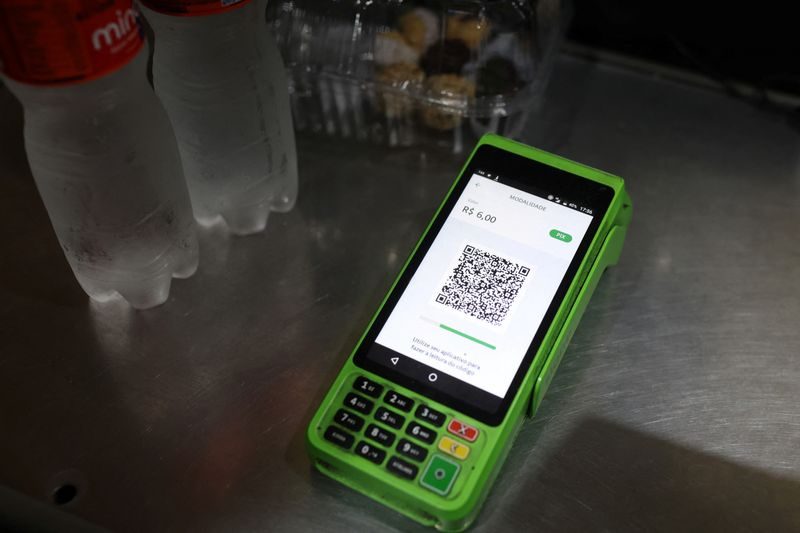
Launched in 2020 by Brazil's central bank, Pix bypasses the traditional card-payment chain by enabling free, real-time account-to-account transfers. The system now handles more than half of all Brazilian transactions by volume, boasting 170 million users—roughly 80% of the population. It overtook card transactions within just three years by offering businesses significantly lower costs and faster settlement.
Brazilian officials have framed the U.S. scrutiny as a transparent effort to protect American credit card giants from legitimate competition. Central bank chief Gabriel Galipolo dismissed the complaints as absurd, arguing that Pix actually expanded the absolute number of credit card users by driving millions of Brazilians to open bank accounts. "It would be kind of like saying that creating basic sanitation hurt the revenues of those who own water trucks," he said.
The dispute carries significant implications for global finance. While the U.S. has its own instant-payment rail in FedNow, no system globally has matched the explosive adoption of Pix. Government-built payment infrastructure models threaten the decades-long dominance of traditional credit card networks. Recognizing this shift, Brazil's central bank signed agreements in the first half of this year to share Pix's operational data with 65 international counterparts, ranging from Germany and Canada to South Africa and Turkey.