Oil prices rise as U.S. reportedly tells Gulf countries to prepare for Iran strikes after midterm elections
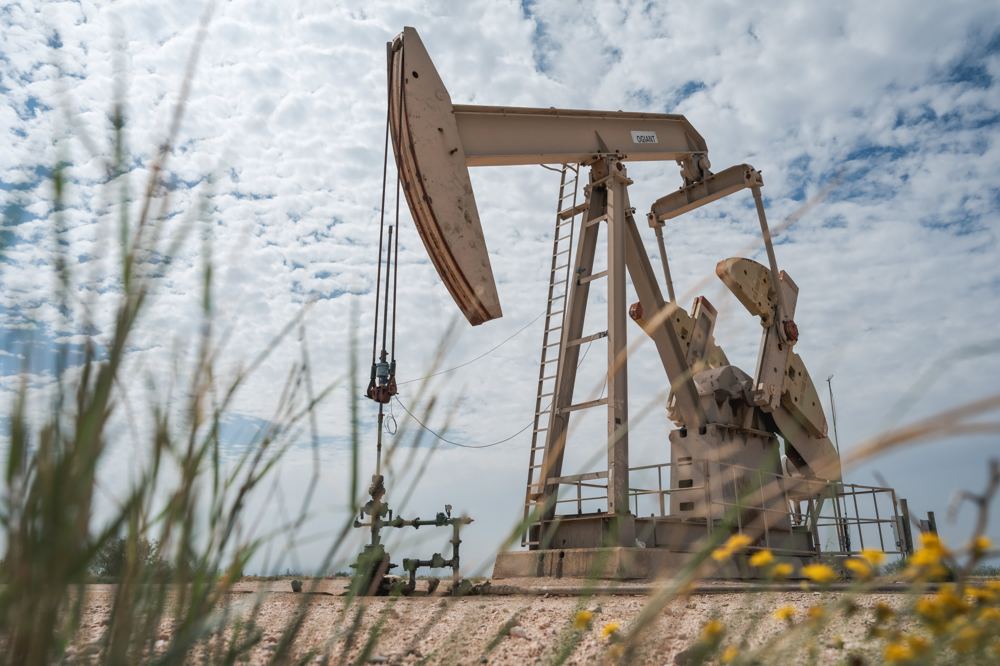
Oil prices climbed Wednesday as investors weighed the prospect of a prolonged conflict in the Middle East.
Crude oil prices climbed Wednesday, as the U.S. is reportedly preparing to renew strikes against Iran after the midterm elections.
International benchmark Brent crude futures rose 1.3% to close at $115.32 a barrel, while U.S. West Texas Intermediate crude futures gained 2.9% to settle at $102.78 per barrel.
The U.S. has told several Gulf Arab countries to be ready for a short but intense military campaign after the midterms, people briefed on the conversations told The Wall Street Journal .
President Donald Trump, meanwhile, said that the war with Iran would end on his terms , while insisting that Tehran must be prevented from acquiring nuclear weapons.
Speaking at a campaign rally in Texas on Tuesday, Trump said the conflict could be brought to a swift conclusion but stressed that any agreement must ensure Iran would never possess a nuclear weapon.
His remarks followed earlier comments that he was weighing whether to reach a deal with Tehran or pursue further military action, keeping investors on edge over the possibility of renewed strikes.
In the Middle East, Iran-allied Houthi militants said Tuesday they had attacked Saudi Arabia's Ras Tanura refinery with a ballistic missile, raising worries about further disruptions to oil supplies.
Concerns over disruptions to oil flows have kept a geopolitical risk premium embedded in crude prices, with traders closely monitoring developments in the region.
Adding to the uncertainty, Israel's election appeared headed for a political stalemate, with neither Prime Minister Benjamin Netanyahu nor his main challenger, Gadi Eisenkot, securing a clear path to a governing majority.
Preliminary exit polls showed the rival blocs falling short of the 61 seats required to control Israel's 120-member parliament, raising the prospect of protracted coalition negotiations and clouding the outlook for Israel's approach toward Iran.