UK job vacancies fall to 712,000 as private sector wage growth cools
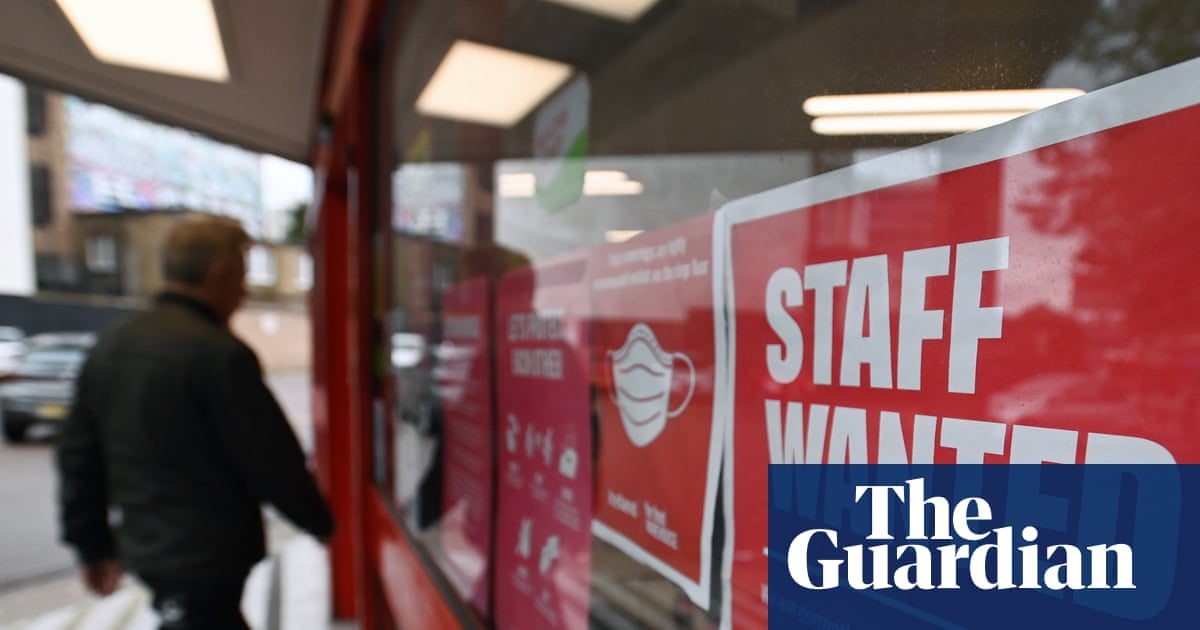
UK job vacancies have plummeted to 712,000 and wage growth unexpectedly cooled, easing inflation pressure for the Bank of England while underscoring the severe economic hurdles facing Prime Minister Andy Burnham.
UK employers reduced job vacancies to 712,000 in the three months to May, nearly halving the volume seen in 2022. The Office for National Statistics reported that unemployment remained unchanged at 4.9 percent, defying market expectations for a rise to 5 percent.
Pay dynamics also surprised investors, with private sector earnings growth decelerating to 2.9 percent. Average total pay, including bonuses, rose by 4.3 percent, missing the 4.5 percent consensus forecast among economists.
This cooling in wage inflation removes a key obstacle for the Bank of England, which has previously flagged stubborn pay growth as a driver of production costs and broader price pressures. The softer data reduces the immediate likelihood of the central bank raising interest rates to curb inflation.
The labor market softening presents a complex backdrop for new Prime Minister Andy Burnham. His administration has pledged a 10-year economic plan to elevate living standards across all regions, but the current data suggests a challenging environment for stimulating broad-based wage gains.
The broader employment picture has deteriorated over the past two years. Joblessness climbed from a 3.6 percent low in the summer of 2022 to a peak of 5.2 percent last year, before a brief stabilization following the autumn budget and the subsequent geopolitical shock of Donald Trump’s attack on Iran.
Industry leaders warn that the underlying fundamentals remain weak. Suren Thiru, chief economist at the ICAEW, said: “These figures point to a fragile labour market, with soaring employment taxes and the economic turbulence sparked by the Iran war pushing some firms to limit recruitment and cut pay awards.”
Thiru added that the persistent drop in openings signals dissipating staff demand. He noted: “The continued fall in job vacancies is a stark warning that demand for staff is dissipating under the weight of sky-high staffing costs, more onerous regulation and heightened uncertainty.”
Looking ahead, the chief economist cautioned that the labor market will remain difficult. Thiru stated: “Jobseekers will probably face more strain over the summer, with unemployment likely to edge noticeably higher as elevated cost pressures and weakening demand increasingly inhibits hiring – especially if uncertainty over future tax policy persists.”