Silver Outperforms Gold, Benefiting LatAm Producers
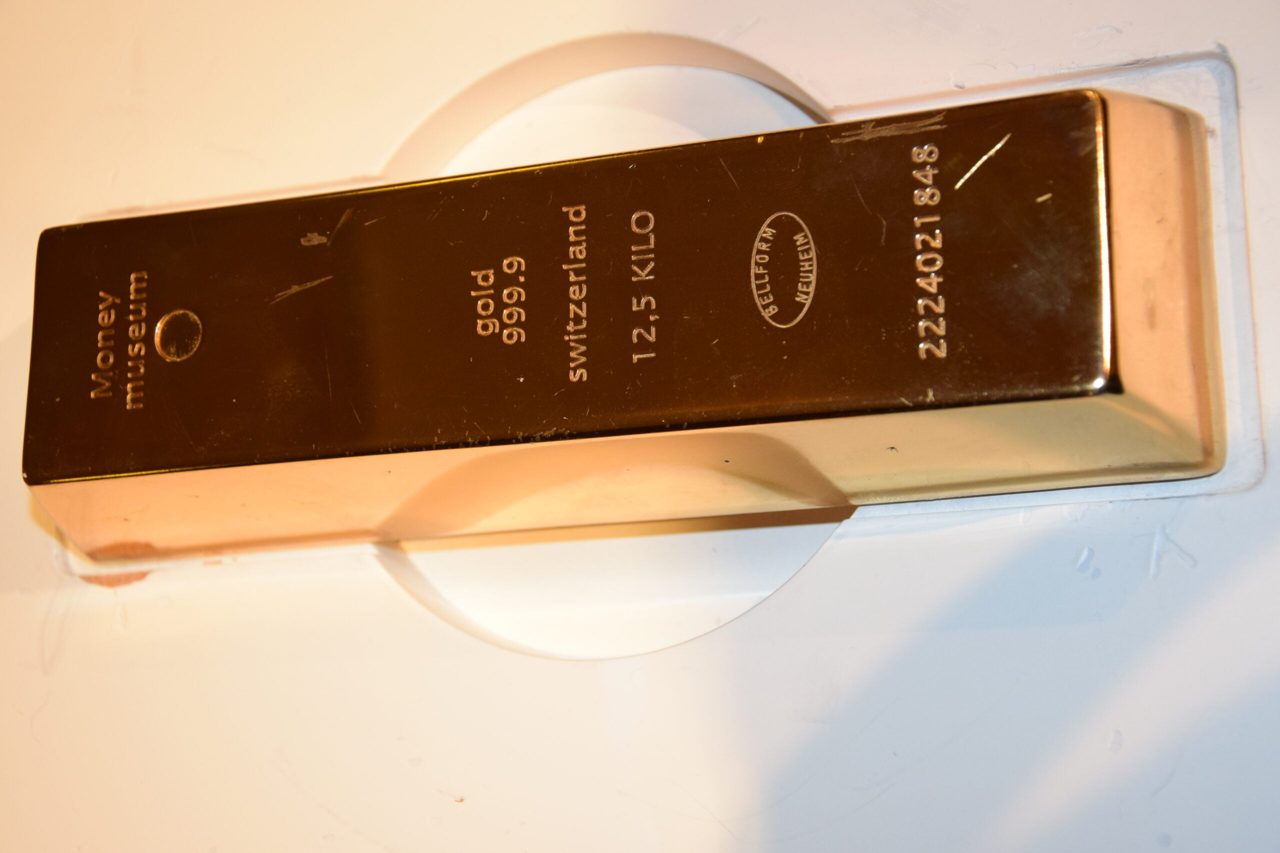
Silver rose while gold flatlined near $4,000 as diverging macro forces redirected capital toward the industrial metal, directly impacting the cash flows of dominant Latin American producers.
Gold closed marginally lower at $4,008 per ounce, a 0.04% dip that leaves the safe-haven asset treading water just above the psychologically important 4,000 level. Silver told a different story, settling at $56.36 with a 0.80% gain, highlighting a clear divergence in the precious metals complex.
The split reflects opposing macro pressures. A firmer US dollar, which reached around 105.440, combined with 10-year Treasury yields hovering in the mid-4% range and 2-year yields between 4% and 4.4%. This environment raises the opportunity cost of holding non-yielding assets, keeping gold roughly a fifth below its early-2026 record near $5,000 despite underlying geopolitical tensions.
Silver is carving its own path amid this volatility. Futures have oscillated heavily this month after opening July near $58.87. While the metal is far removed from its January peak around $121.62, its role in solar panels and electronics is drawing buyers who expect mine supply growth to lag industrial demand.
This dynamic has direct consequences for Latin American equities and export revenues. Mexico dominated global silver mine output in 2024 with roughly 6,300 metric tons, equating to about a fifth of worldwide supply and nearly double China's production. Peru produced approximately 3,100 metric tons last year but holds an estimated 140,000 metric tons in reserves, representing roughly 22% of known global supply.
For portfolio managers, the divergent tape creates a selective equity play in the region. The price differential between the metals can widen performance gaps between agile operators and those hampered by cost inflation or local politics. Silver X, for instance, recently reported record quarterly production, with silver-equivalent output surging more than 50% quarter-on-quarter.
However, rising silver prices also elevate political risks. Higher margins often sharpen debates in Mexico and Peru over mining royalties, environmental oversight, and the distribution of resource wealth. Until US inflation data or Federal Reserve policy shifts the trajectory of real yields, both gold and Latin American silver equities will remain in a holding pattern.