Burnham named UK prime minister, markets await Treasury pick
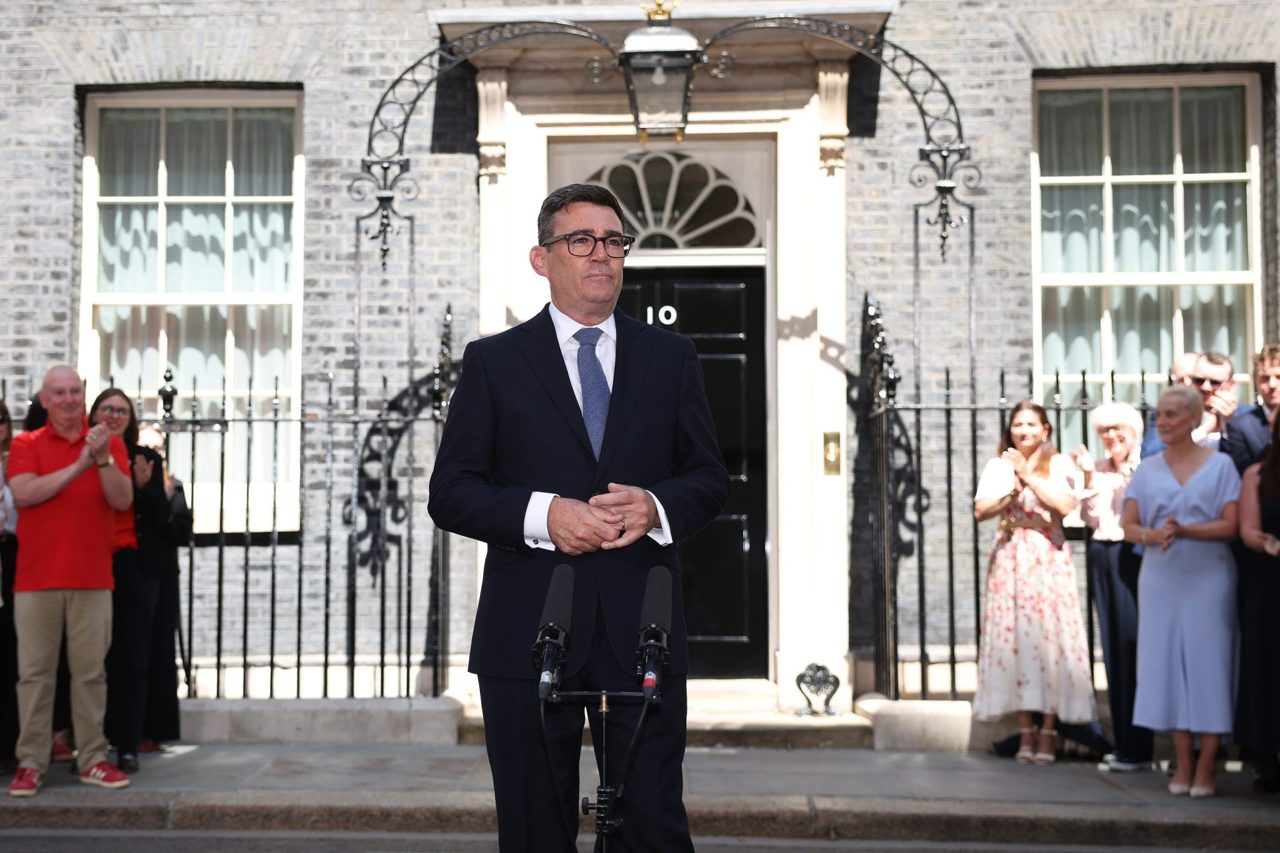
Andy Burnham has become Britain’s seventh prime minister since 2016, taking charge without an election and facing immediate pressure to outline an agenda that can deliver the economic growth investors say the country desperately needs.
Andy Burnham officially became UK prime minister on Monday after meeting King Charles III at Buckingham Palace. He succeeded Keir Starmer, who was forced to resign by the governing Labour Party last month after a series of missteps. The transition marks the latest chapter in Britain’s recent political turbulence, with Burnham becoming the seventh leader to hold the office since 2016.
Addressing the country outside 10 Downing Street, Burnham acknowledged the revolving door of leadership and pledged to restore stability. However, financial markets and business leaders will measure that stability against tangible economic results. “Fundamentally, it only will work if you can generate significant economic growth, because it’s the lack of growth that’s really holding the country back,” said Joshi Herrmann, founder of the Manchester news site The Mill, who has followed Burnham’s career.
Treasury focus
Attention will now shift rapidly to Burnham’s Cabinet appointments, particularly his choice for Treasury chief. The new prime minister is expected to overhaul his predecessor's top team, with the finance brief being the most critical signal of his economic direction. Because Britain’s parliamentary system allows governing parties to change leaders without a national vote, Burnham has a clear runway to implement his agenda before the next general election, which does not have to be held until 2029.
The former mayor of Greater Manchester was the sole candidate in the leadership contest, securing nominations from 379 of 403 Labour lawmakers. He has promised a "circuit breaker" for a system he claims took wrong turns since the 1980s. He has pledged to improve living standards and make politics “less toxic,” but critics and supporters will quickly demand specific policy mechanisms to fulfill these vows.
Starmer departed after defending a two-year record that included higher defense spending, stronger worker protections, and robust support for Ukraine. Despite leading Labour to a landslide victory in 2024 after a historic defeat in 2019, Starmer was ultimately undone by the difficulties of governing. Burnham takes over a party still holding a commanding majority, but one that will quickly be judged on whether his promised "new politics" can translate into a functional economy.