India crude bill surges 60%, keeping RBI rates under pressure
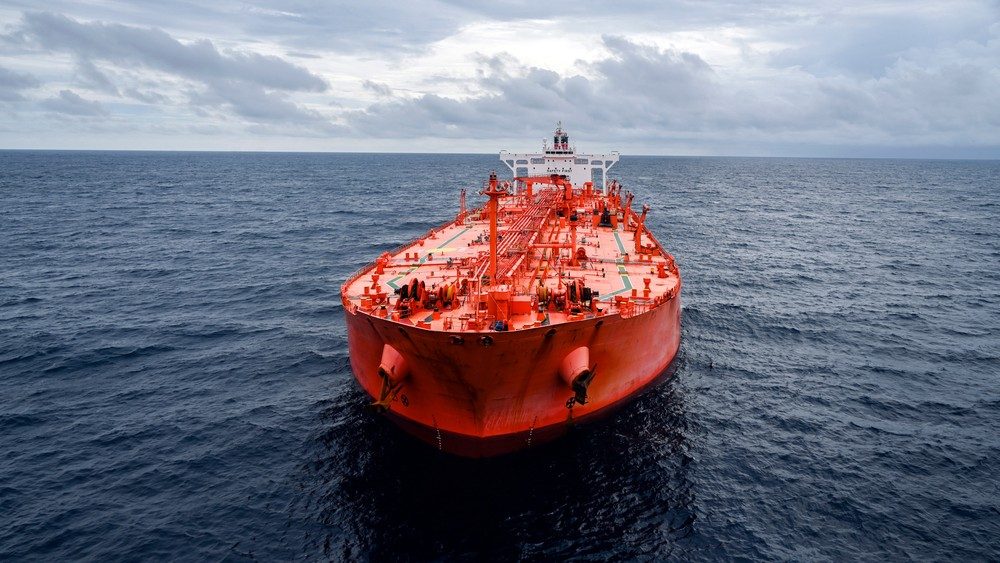
A 60% jump in India's first-quarter crude oil import bill threatens to derail the government's fiscal balance and force the central bank to maintain restrictive interest rates amid renewed Middle East tensions.
India paid 60% more for crude oil imports in the April-June quarter compared to a year earlier, according to provisional data released Monday by the petroleum ministry. This significant increase covers the first quarter of India's 2026/2027 fiscal year, which ends on March 31, 2027. The overall import bill surged even as physical import volumes declined slightly, driven entirely by elevated international crude prices.
This price shock presents a direct threat to government finances and fiscal balances in the world’s most populous country. India relies on imports for 88% of its daily crude consumption, leaving its economy highly vulnerable to external supply shocks. The geographic concentration of this dependency amplifies the risk, as roughly 40% of crude imports, alongside 60% of liquefied natural gas and 90% of liquefied petroleum gas, originate from the Middle East and transit the Strait of Hormuz.
Market optimism over a brief respite in prices during late June proved short-lived. By mid-July, a re-escalation of hostilities in the Middle East triggered another sharp rally in crude prices, reviving immediate concerns about supply availability. For India, this renewed escalation poses a clear upward risk to inflation and threatens to push the import bill even higher in the coming months.
The financial strain is already filtering through to the broader economy. Consumer price inflation breached the Reserve Bank of India’s 4% target in June, rising 4.38% year-on-year. This figure came in slightly above the 4.3% forecast from analysts, highlighting how elevated energy costs are complicating the central bank's efforts to manage price stability.
In response, economists widely expect the central bank to maintain its key interest rate at 5.25% through 2026. The Reserve Bank of India has yet to observe considerable deterioration in broader inflation expectations. However, policymakers are projected to adopt a cautious holding pattern, waiting to assess the ultimate duration of the geopolitical escalation before altering their monetary policy stance.
For market participants, the combination of a soaring oil bill and sticky inflation limits the near-term outlook for Indian fixed-income assets. Furthermore, the sustained drain on national finances could constrain government spending. As long as Middle Eastern tensions keep international crude prices elevated, India's macroeconomic margins will remain tightly squeezed.